Skip to content

Cart

Your cart is empty

Continue shopping

How Coffee Cup Materials – Ceramic, Stainless Steel, and Plastic – Affect Taste

How Coffee Cup Materials – Ceramic, Stainless Steel, and Plastic – Affect Taste

Coffee is more than just a morning pick-me-up; it's a ritual enjoyed by millions worldwide. When it comes to savoring the perfect cup of joe, we often focus on the beans, the brewing method, and the milk or sugar we add. However, there's one element that can significantly impact the taste of our coffee that we might overlook: the cup. In this blog post, we'll explore how the materials of coffee cups – ceramic, stainless steel, and plastic – can affect the flavor of our beloved beverage.

The Science Behind the Cup - Coffee Connection

Before delving into the specific materials, it's important to understand the science behind how cups interact with coffee. The material of the cup, its shape, color, and texture can all play a role in how we perceive the taste of coffee. For example, a cup that retains heat well can keep coffee at an optimal temperature for longer, allowing us to experience all the nuances of its flavor. On the other hand, a cup that doesn't hold heat well may cause the coffee to cool quickly, altering its taste. Additionally, the material of the cup can interact with the coffee chemically, potentially affecting its flavor.

Plastic: A Problematic Choice

Plastic cups are a common choice for takeout coffee due to their lightweight and affordability. However, they're not the best option when it comes to taste. If you've ever filled an old plastic mug with coffee, then washed it and put tea in it, you may have noticed a lingering coffee flavor in the tea. This is because plastic has a porous surface that traps molecules.

When it comes to coffee, this can be a significant issue. As plastic absorbs flavors, it can make it difficult to distinguish the finer notes of the coffee. Even if you only use the plastic cup for coffee, the absorbed flavors can build up over time, detracting from the taste. Moreover, the heat from coffee can cause chemicals in the plastic to leach into the beverage, which not only affects the flavor but also poses potential health risks, especially with lower-quality plastics.

Stainless Steel: Durable but with Drawbacks

Stainless - steel cups are popular for their durability and excellent heat - retention properties, making them a great choice for travel mugs. However, they can sometimes impart an off - flavor to coffee. While stainless steel is a stable and inert compound, it is porous, and past coffee residues or even dish soap left in the cup can affect the taste.

There's also some debate about whether the metal can react with the more than 1,000 compounds in coffee. Some coffee drinkers report that their coffee tastes odd when consumed from a stainless-steel tumbler. This is more noticeable when the coffee is stored in the cup for an extended period. But if you're drinking freshly brewed coffee right away, the impact on flavor may be less significant.

Ceramic: The Gold Standard for Flavor

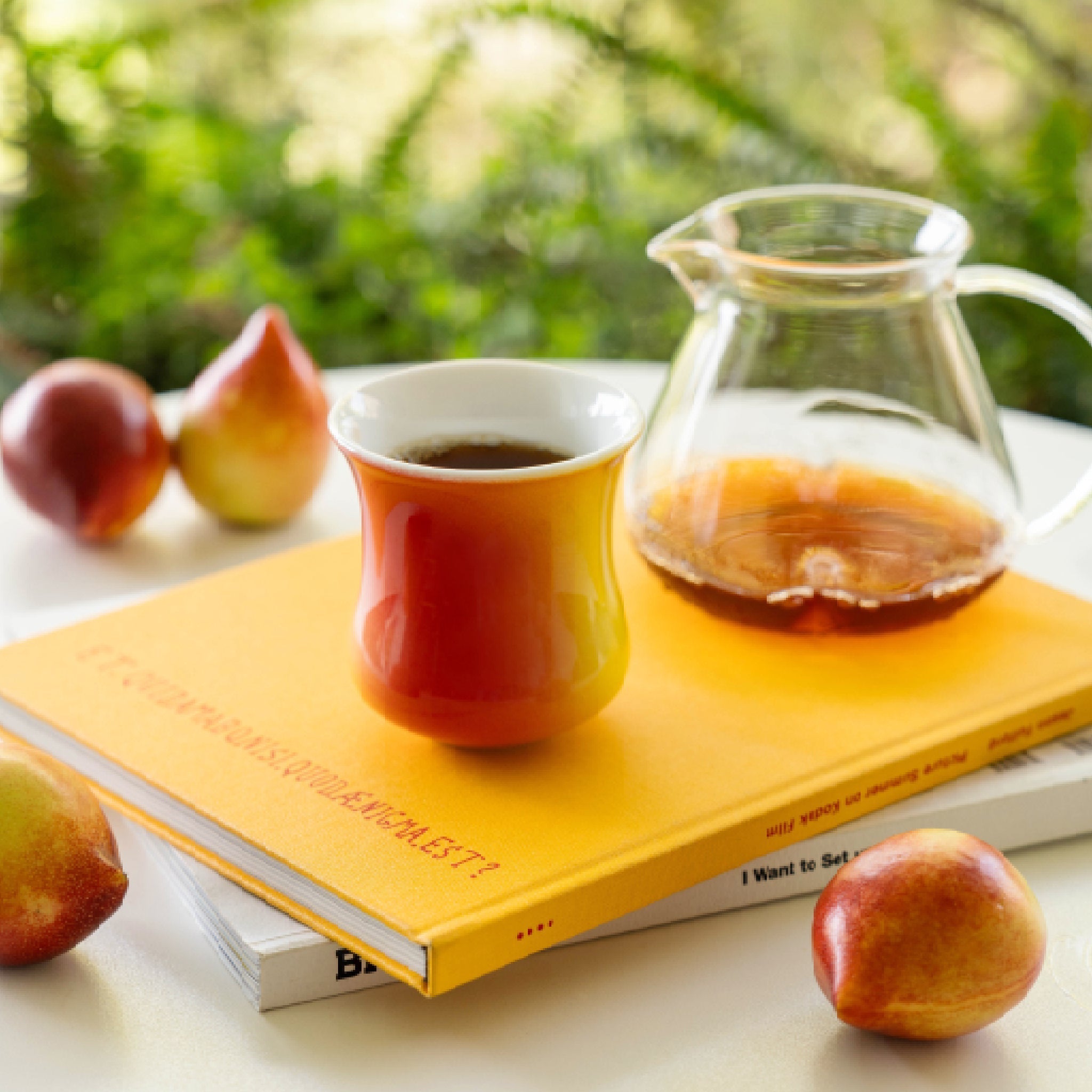
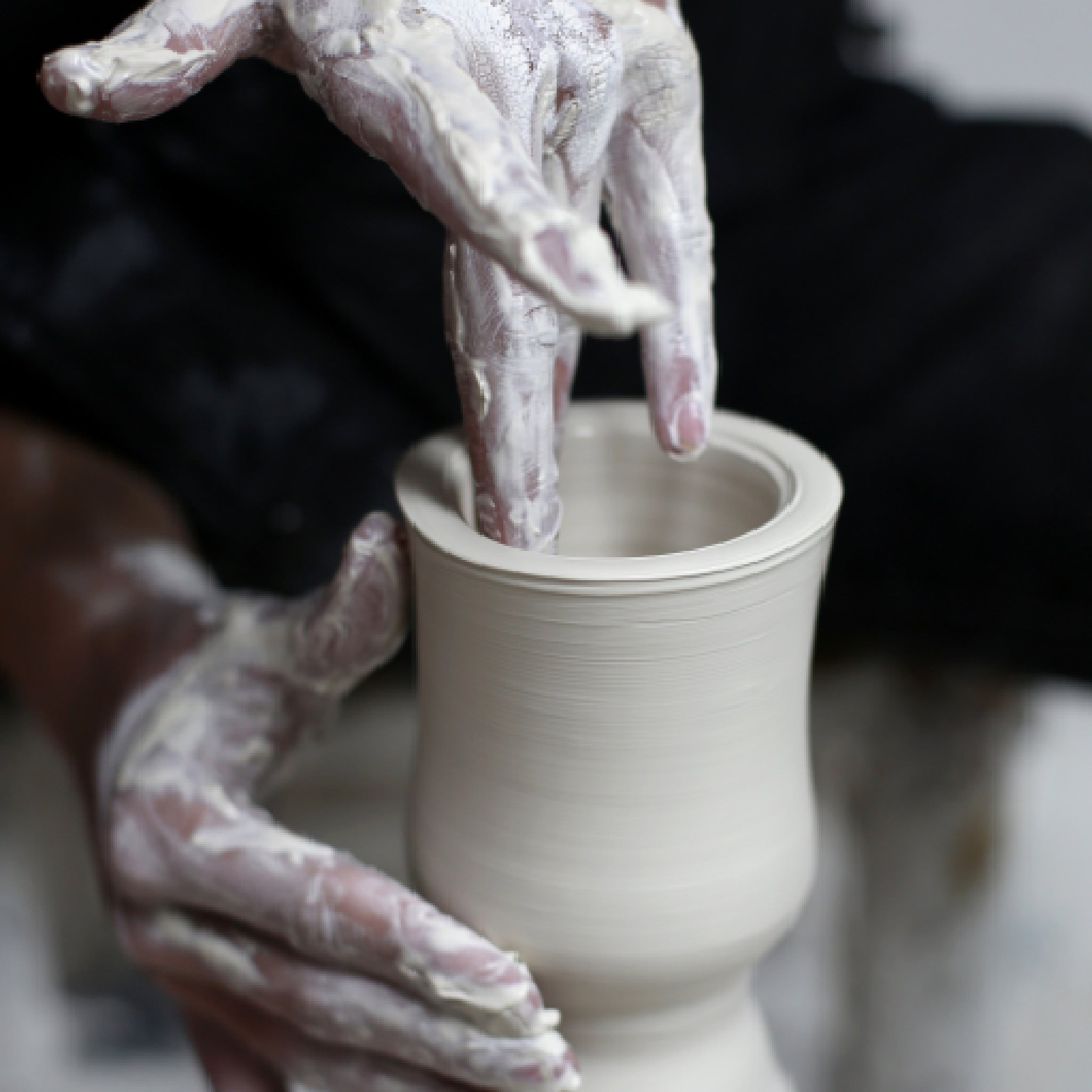
Ceramic cups are often considered the best choice for coffee lovers who want to experience the true flavor of their brew. Ceramic neither absorbs nor imparts flavors, allowing the coffee to taste exactly as it should. It's a neutral material that doesn't interfere with the chemical composition of the coffee.

Ceramic cups also have the advantage of being able to maintain the coffee's temperature for a moderate period. Their thick walls slow down the cooling process, preserving the heat and aroma of the coffee. Whether you prefer a glazed or unglazed ceramic cup, you can enjoy your coffee without worrying about the cup altering its taste. Glazed ceramic cups are smooth and easy to clean, while unglazed ones may absorb some coffee oils over time, but this usually doesn't have a significant impact on the flavor.

Other Factors to Consider

Cup Shape and Size

The shape and size of the cup can also affect the taste of coffee. A wider-opening cup allows more aroma to escape, enhancing the sensory experience. The smell of coffee is a major part of its flavor, so this can make the coffee taste more robust. In contrast, a narrower cup focuses on the aroma, intensifying the flavors.

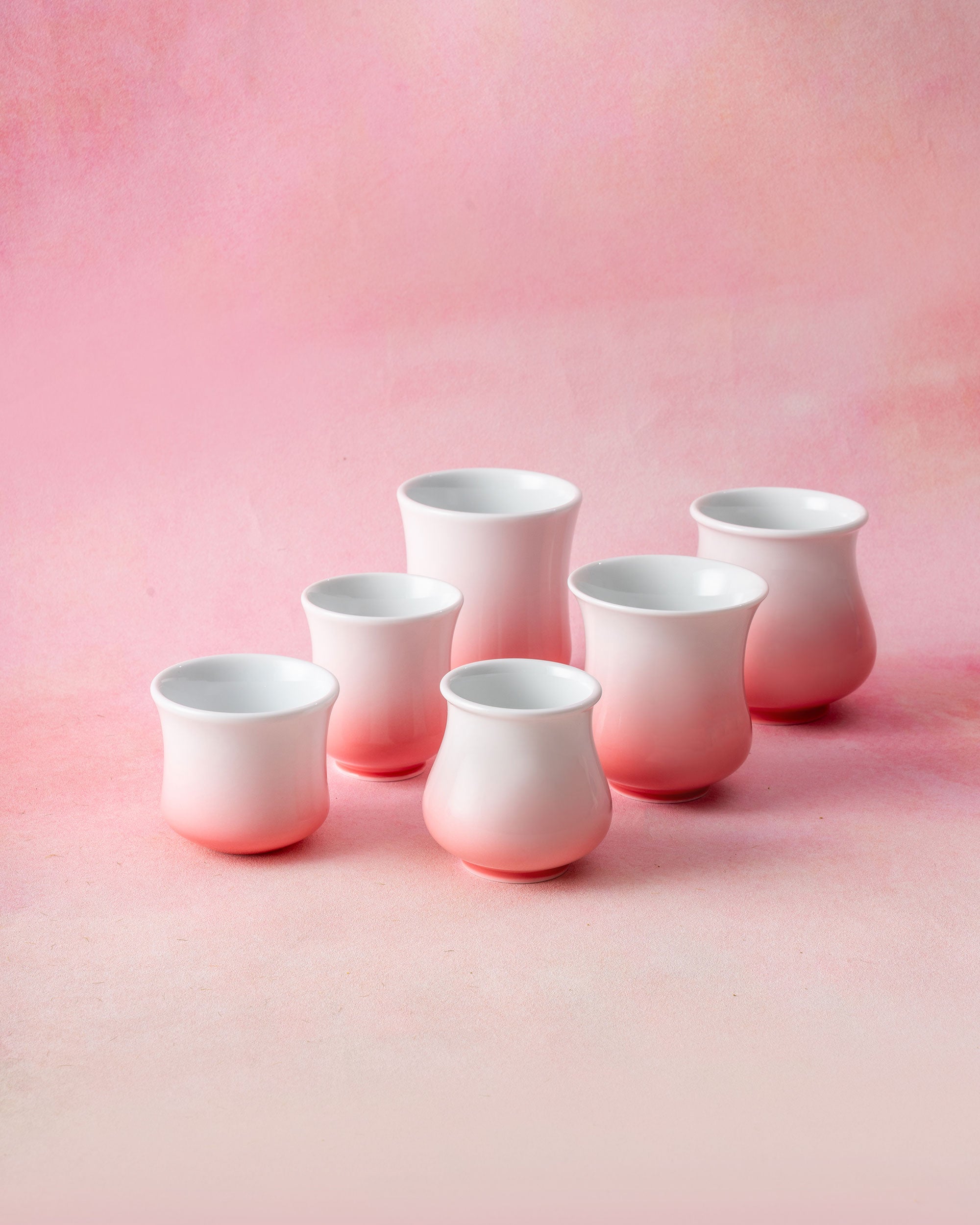
Size matters too. Larger cups can make coffee feel weaker because of the increased surface area, while smaller cups concentrate the flavors and aromas, making the coffee taste more intense.

Cup Texture

The texture of the cup can influence how we perceive the body of the coffee. A rougher - textured cup may enhance the feeling of a heavier - bodied coffee, while a smoother texture can create the sensation of a lighter, more refined brew. Research has shown that a rough - textured cup can make coffee taste more acidic to experts, while amateurs may perceive it as less sweet.

Color of the Cup

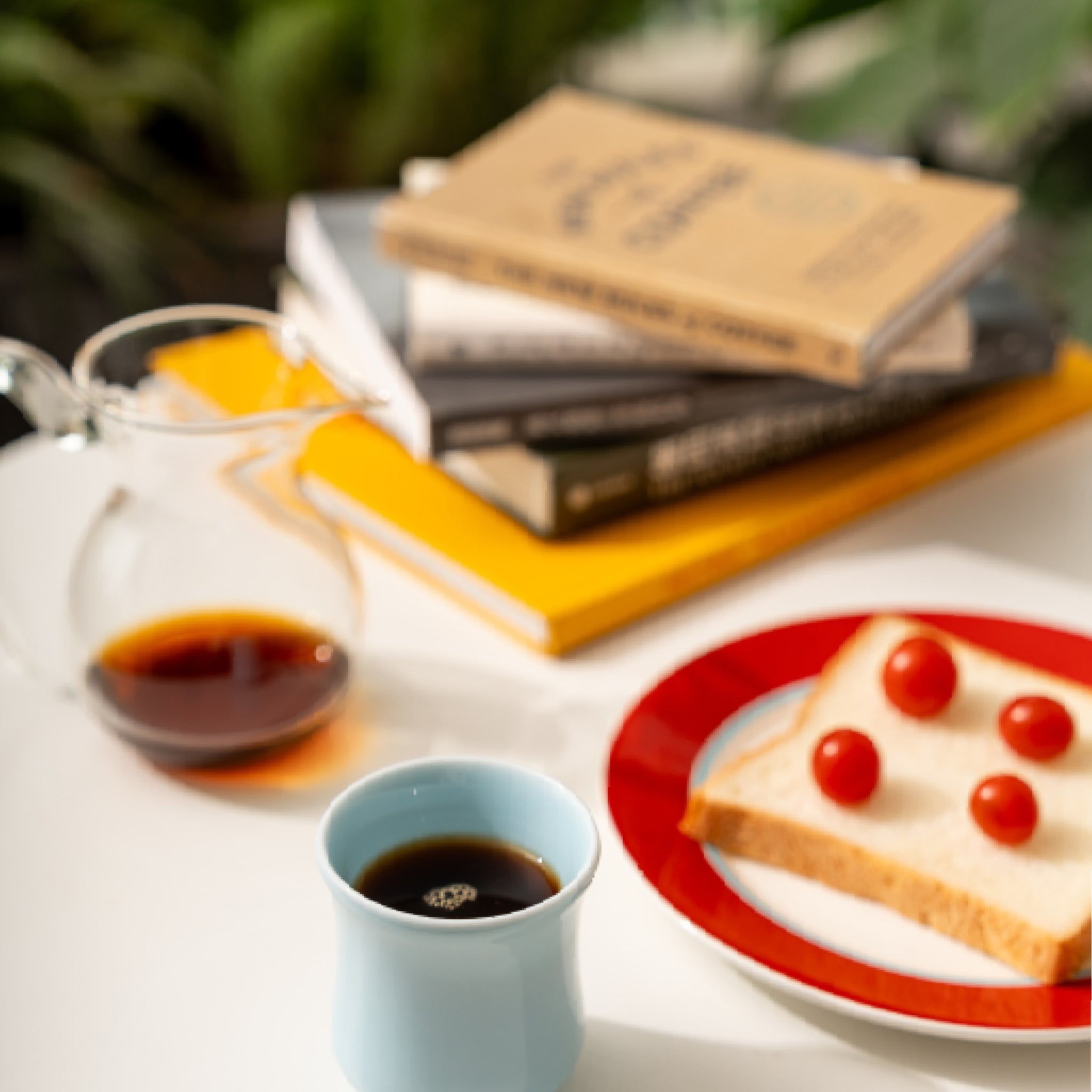
The color of the cup can impact the taste of coffee. A study in Australia found that people perceived coffee as more intense when tasted from a white mug, as the contrast between the white color and the coffee made the flavor seem stronger. Glass cups, which lack this contrast, may not provide the same intensity of flavor perception.

Lead in Ceramic Mugs

When choosing a ceramic cup, it's important to be aware of the potential presence of lead. Some ceramic mugs, especially those with brightly - colored glazes or decorative elements, may contain lead. Coffee, being acidic, can leach lead from the mug over time, which is a health concern. It's advisable to choose lead - free ceramic mugs, such as clear glass mugs (avoiding leaded crystal), or mugs from reputable sources that have been tested for lead.

Conclusion

When it comes to enjoying a great cup of coffee, the cup you choose matters. Ceramic cups are the top choice for preserving the true flavor of coffee, but stainless-steel and plastic cups each have their characteristics that can affect the taste. By considering the material, shape, size, texture, and color of the cup, as well as potential health risks like lead in ceramic mugs, you can enhance your coffee-drinking experience. So, the next time you reach for a cup of coffee, take a moment to think about the cup you're using – it could make all the difference in how your coffee tastes.