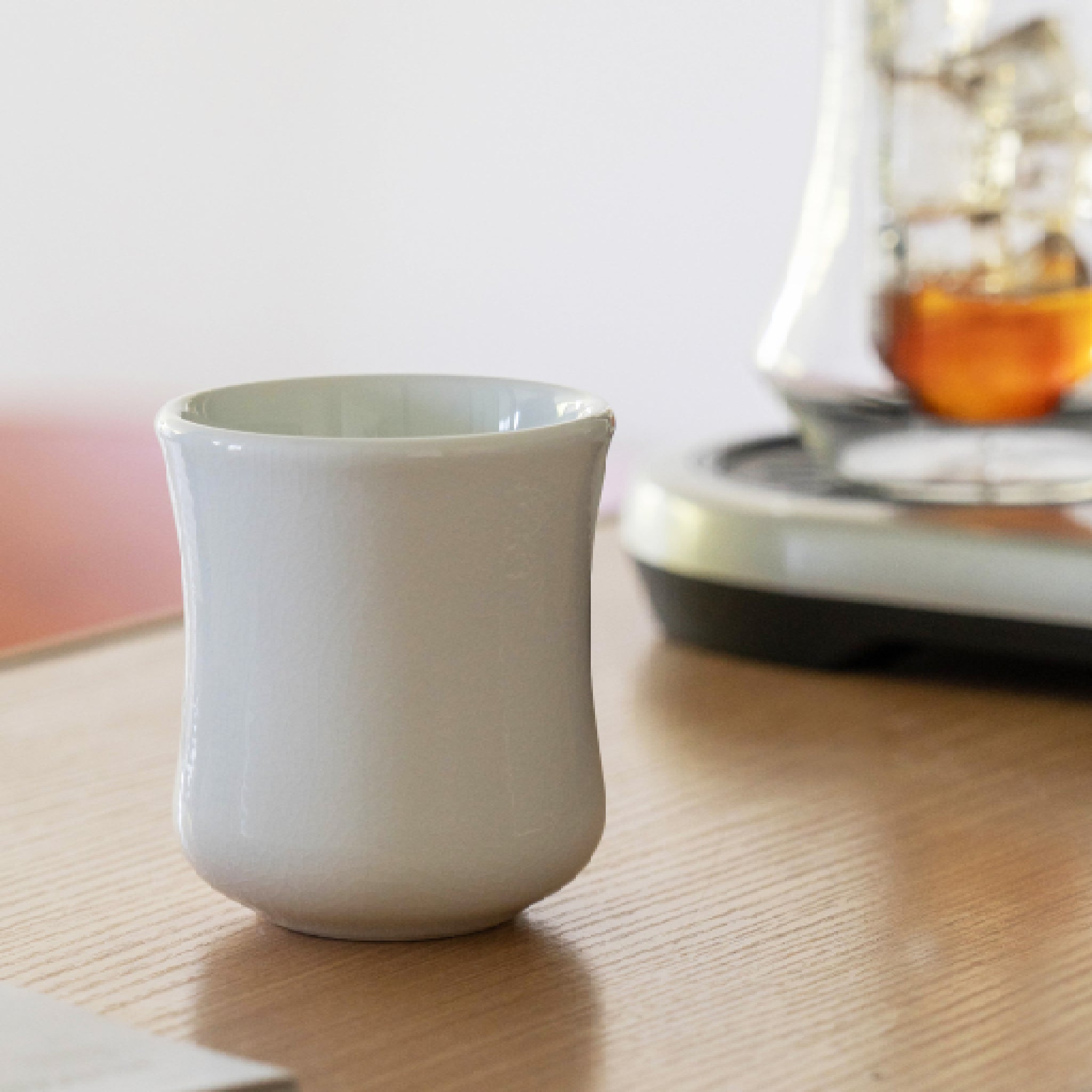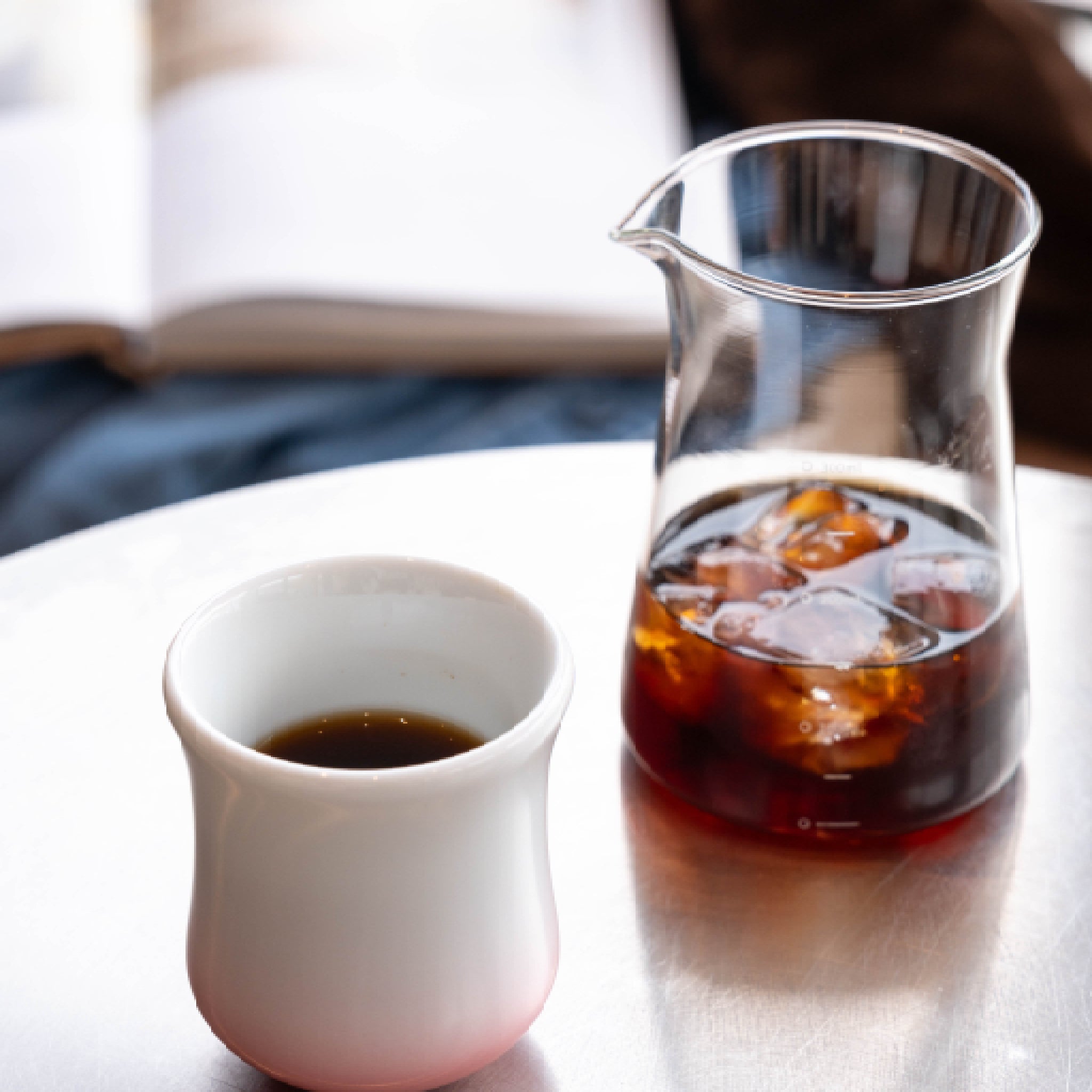
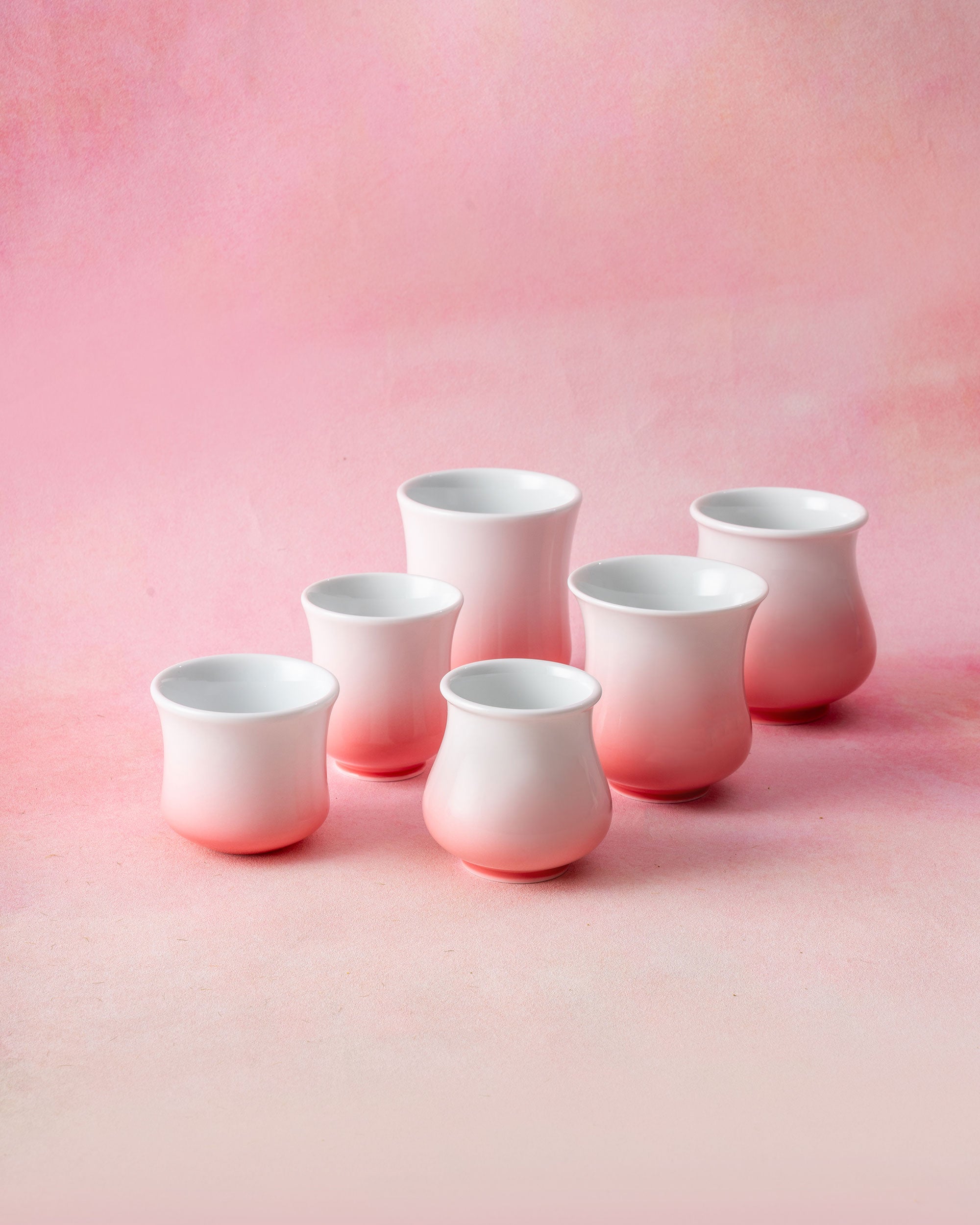
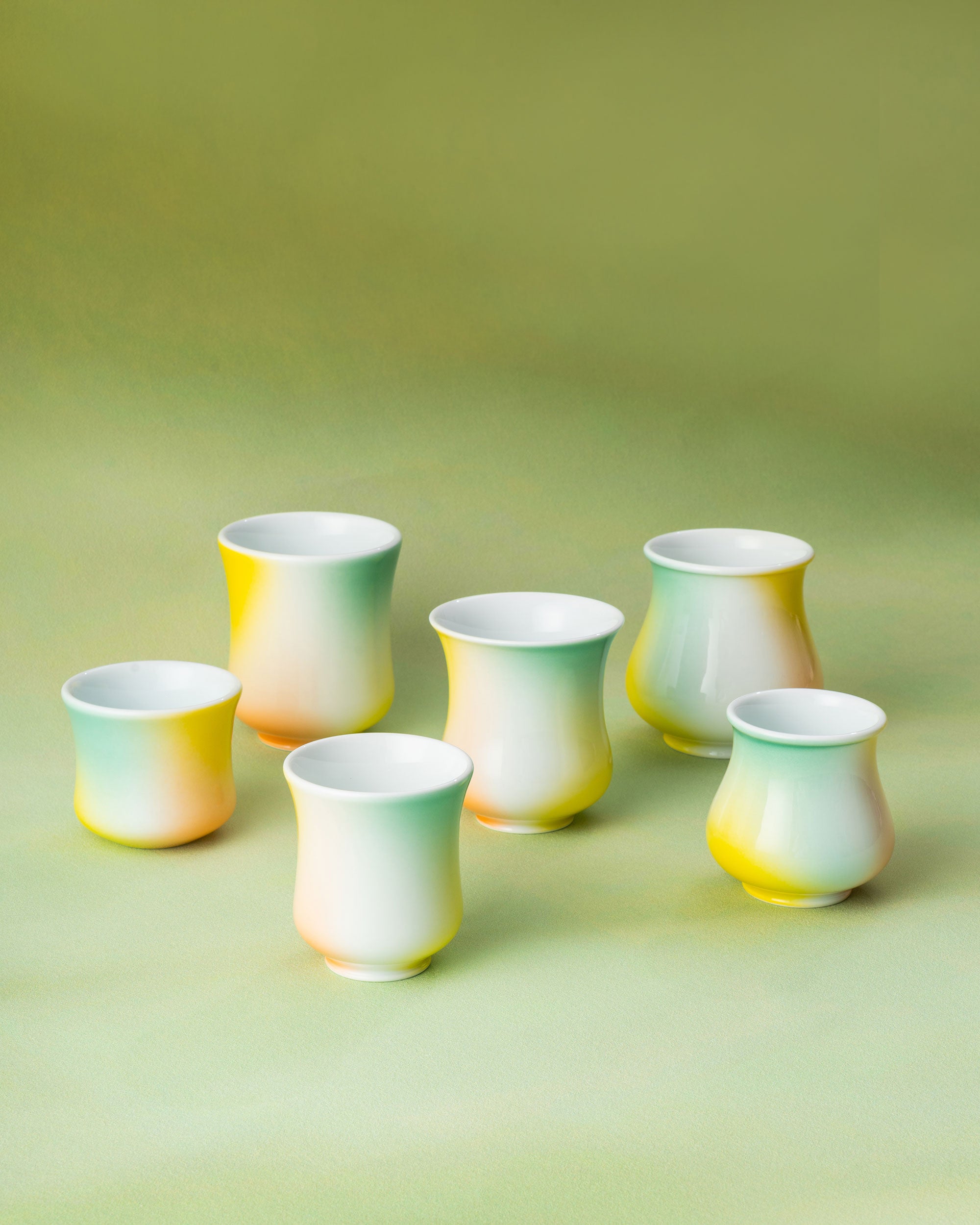
The journey of savoring coffee is an intricate dance between the bean, the brewing method, and the vessel you drink from. Choosing the right cup might seem minor, but it can significantly enhance your coffee-tasting experience. Espresso and pour-over, two popular brewing methods, each offer a unique flavor profile. Understanding how to select the appropriate cup for these methods is key to unlocking the full potential of your coffee.
Understanding Espresso
Espresso is a concentrated form of coffee, brewed by forcing hot water through finely - ground coffee beans at high pressure. This process results in a rich, bold beverage with a thick, creamy layer on top known as crema. According to Hermanos Coffee Roasters, the crema is not just for show; it contains numerous volatile aromatic compounds that contribute to the overall flavor of the espresso. The flavor profile of espresso is intense, with a full-bodied mouthfeel. You can expect to taste rich notes of chocolate, nuts, and sometimes a hint of fruit, depending on the origin of the beans.
Ideal Tasting Cups for Espresso
Cup Size
When it comes to espresso, size matters. A small cup, typically around 2 - 3 ounces (60 - 90 ml), is ideal. A smaller cup keeps the espresso hot for a longer time. Since espresso is highly concentrated, a smaller volume allows you to focus on the intense flavors without the risk of the coffee cooling down and losing its complexity. As noted by Majesty Coffee, sipping a small amount of espresso at a time helps you fully appreciate its rich taste.
Cup Shape
The traditional demitasse cup, with its small size and narrow rim, is a classic choice for espresso. The narrow rim plays a crucial role in directing the concentrated aroma of the espresso toward your nose. As you take a sip, the close - proximity of the aroma to your olfactory receptors enhances the overall flavor experience. This shape also encourages sipping in small, deliberate amounts, allowing you to fully engage with the complex flavors of the espresso.
Material
Porcelain and ceramic are top-notch materials for espresso cups. These materials are excellent at retaining heat, which is essential for keeping the espresso hot. Additionally, they do not absorb flavors or odors, ensuring that the true taste of the espresso remains pure. While glass cups can be used to admire the beautiful color and texture of the espresso, including the crema, they are not as effective at heat retention as porcelain or ceramic.
Understanding Pour - Over Coffee
Pour-over coffee is a slow-extraction method that involves manually pouring hot water over coffee grounds placed in a filter. This results in a clean, bright, and well-balanced cup of coffee. As Vicky Coffee explains, the slow extraction process allows the natural flavors of the coffee beans to shine through. The flavor profile of pour-over coffee is often more delicate and nuanced compared to espresso. You might taste floral, citrus, or earthy notes, depending on the origin and roast level of the beans. The clarity of flavor is a key characteristic of pour-over coffee, making it a favorite among coffee connoisseurs who enjoy exploring the subtler aspects of coffee taste.
Ideal Tasting Cups for Pour-Over
Cup Size
Pour-over coffee, being less concentrated than espresso, requires a larger cup. A cup size of around 8 - 12 ounces (240 - 360 ml) is suitable. The larger volume allows you to fully experience the balanced flavor profile of the pour-over coffee without feeling overwhelmed by the concentration. This size also gives you enough coffee to enjoy over a longer period, especially since pour-over coffee cools down more slowly than espresso.
Cup Shape
A cup with a wider rim is recommended for pour-over coffee. The wider rim enables better aeration, which is essential for releasing the delicate aromas of the coffee. When you take a sip from a wider-rimmed cup, the coffee spreads more evenly across your palate, allowing you to fully appreciate the complex flavor notes. It also makes it easier to take larger sips, which is beneficial for experiencing the more diluted and well-balanced taste of pour-over coffee.
Material
Similar to espresso cups, porcelain and ceramic are great choices for pour-over cups. They do not affect the taste of the coffee, ensuring that you taste the pure essence of the pour-over. Glass cups are also popular among some coffee enthusiasts for pour-over coffee. They allow you to observe the color and clarity of the coffee, adding an extra visual element to the coffee-tasting experience.
Other Considerations
Cup Thickness
The thickness of the cup wall can impact your coffee-drinking experience. Cups with thicker walls generally retain heat better, but they may feel heavier in your hand. For espresso, where heat retention is crucial, a slightly thicker-walled cup can be advantageous. However, for pour-over coffee, where the coffee cools more slowly anyway, you might prefer a cup with a thinner wall for a lighter feel.
Brand and Quality
When choosing tasting cups, it's worth considering reputable brands. High-quality cups are more likely to be well-made, with consistent thickness and a smooth finish. Investing in a good-quality cup can enhance your enjoyment of coffee and make the tasting process more satisfying.
Conclusion
In conclusion, choosing the right-tasting cup for espresso and pour-over coffee is about understanding the unique characteristics of each coffee type. For espresso, a small, narrow-rimmed cup made of heat-retaining material is ideal. For pour-over coffee, a larger, wider-rimmed cup that allows for good aeration is the way to go. By paying attention to these details, you can enhance your coffee-tasting experience and truly appreciate the art of coffee. Explore our shop's selection of tasting cups for espresso and pour-over coffee and take your coffee-drinking journey to the next level.
Read more

When choosing espresso cups, durability is a key factor for both home baristas and coffee enthusiasts. Ceramic and glass are popular materials, but how do they compare in longevity, functionality, ...

In 2022, the CCCLAY brand was officially established in Jingdezhen, a Chinese city known as the "Porcelain Capital" with a history of thousands of years. It is less of a ceramic brand and more of a...